

Last Updated: April 27, 2026
The Nostalgia Factor
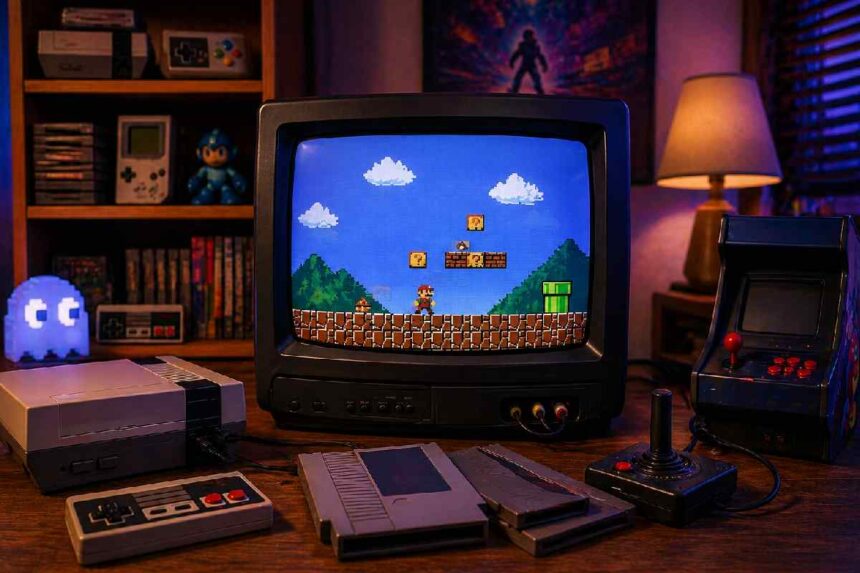
In recent years, the gaming industry has seen a remarkable resurgence of interest in vintage video games. Titles from the 80s and 90s are making a comeback, capturing the imagination of both seasoned gamers and newcomers alike. But what is it about these classic games that continues to captivate audiences in an era dominated by cutting-edge graphics and complex narratives? One key factor is nostalgia. For many, playing these games is a journey back to their childhood, a simpler time when gaming was about pure fun and challenge. The pixelated graphics and chiptune soundtracks evoke a sense of comfort and familiarity, drawing players into a world that feels both old and refreshingly new.
The Simplicity of Design
Another reason for the enduring appeal of retro games is their simplicity. Unlike modern games that often require extensive tutorials and steep learning curves, vintage games are straightforward yet challenging. They rely on basic mechanics and intuitive controls, allowing players to jump right in without the need for lengthy instructions. This simplicity is not a limitation but rather a feature that encourages creativity and skill. Players are often required to think on their feet, adapt quickly, and develop strategies on the fly, making each gaming session a unique experience.
Read also: The Timeless Allure of Classic Literature: Why Old Books Are More Popular Than Ever
The Community and Culture
Retro gaming has also fostered a vibrant community and culture. Enthusiasts gather at conventions, participate in online forums, and engage in spirited discussions about their favorite titles. This sense of community adds an extra layer of enjoyment to the gaming experience, as players share tips, tricks, and personal stories. In this way, retro gaming is similar to other niche interests, such as the Fortune Rabbit, where a shared passion brings people together, creating lasting friendships and collaborations.
The Collectibility Factor
Collecting vintage video games has become a popular hobby, with rare titles fetching high prices at auctions and online marketplaces. This collectibility aspect adds an element of excitement and exclusivity to retro gaming. For collectors, finding a rare game or a limited-edition console is akin to discovering a hidden treasure. The thrill of the hunt, combined with the joy of playing these classic games, creates a rewarding experience that transcends the act of gaming itself.
The Influence on Modern Gaming
It’s also important to recognize the impact that vintage video games have had on the development of modern gaming. Many contemporary games draw inspiration from classic titles, incorporating elements such as pixel art, chiptune music, and side-scrolling mechanics. This blending of old and new highlights the timeless nature of these early games and their lasting influence on the industry. Developers continue to pay homage to the past while pushing the boundaries of what’s possible in gaming.
The Future of Retro Gaming
As technology continues to evolve, the future of retro gaming looks promising. With the rise of digital distribution platforms, classic games are more accessible than ever, allowing new generations to experience the magic of vintage gaming. Additionally, the development of emulators and remakes ensures that these beloved titles remain playable on modern devices. As long as there is a desire for simple yet challenging gameplay, retro gaming will continue to thrive, offering a nostalgic escape and a reminder of the industry’s rich history.